Here’s Why People With Diabetes Shouldn’t Skip Eye Appointments

Things happen: appointments are forgotten, other health issues crop up, financial problems happen. But missing eye exams may be vision-threatening for patients with diabetes. The Eye MDs joins the American Academy of Ophthalmology in reiterating the importance of eye exams during the month of November, which is observed as Diabetic Eye Disease Awareness Month. Diabetes is the leading causes of preventable blindness in the United States among adults age 20 to 74 and is the fifth most common cause of preventable blindness globally. Among the 30 million Americans with diabetes, about one-third have diabetic retinopathy, the potentially blinding complication of diabetes. People typically don't notice changes in their vision in the disease's early stages. But as it progresses, diabetic retinopathy usually causes vision loss that in many cases cannot be…

Let’s Talk About Aging and Vision

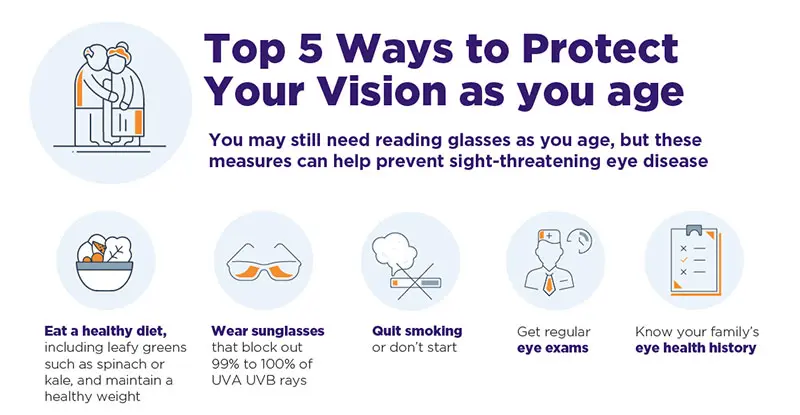
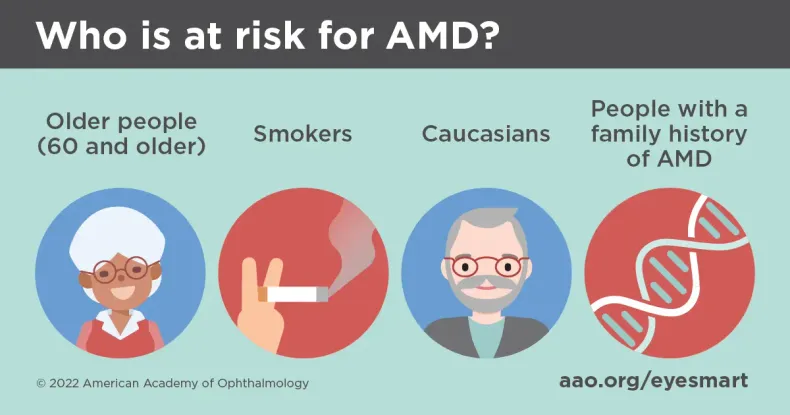
The number of older Americans with low vision is expected to double in the coming years, as more people live longer. Low vision describes poor vision that can't be fixed or improved with glasses, contacts or surgery. People with low vision have blind spots that can make it difficult or impossible to drive, read or see faces. But the tragedy isn’t that people have lost vision, it’s that most believe nothing can be done to improve their quality of life. The American Academy of Ophthalmology and The Eye MDs are taking the opportunity of September’s Healthy Aging Month to let people know they can retain their independence and stay safe, despite declining vision. Age-related macular degeneration is one of the leading causes of low vision. Other common contributors include diabetic…

Nearsightedness is a Public Health Crisis

Nearsightedness has risen dramatically over the last 50 years. If nothing is done to help slow the increase, half the world’s population may be nearsighted by the year 2050. That means much more than a lot of people in glasses. It means a lot of kids today are at risk of developing vision-threatening eye conditions tomorrow. That’s why The Eye MDs and the American Academy of Ophthalmology are sharing information about myopia and its progression.  People who have myopia, also known as nearsightedness, can see close-up objects clearly, but objects farther away are blurry. Myopia that begins in early childhood often worsens as the child grows. If these changes are too extreme, it can be hard to correct the blurriness with glasses or contact lenses and the risk of potentially…

Eye Twitching Causes and Treatment

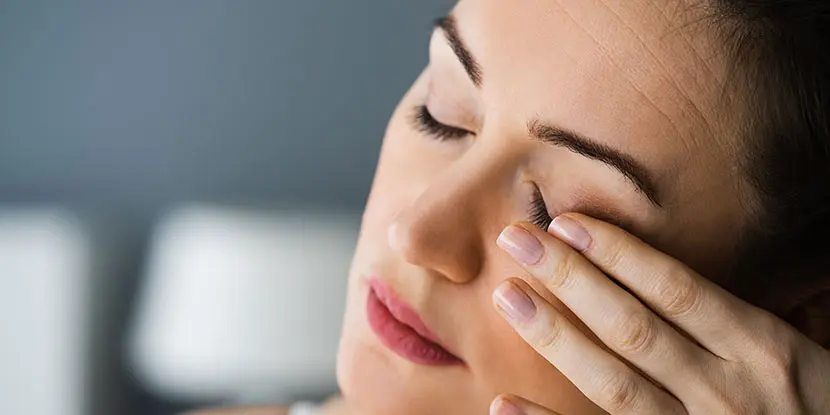
Should I be worried about my eye twitching? For the majority of us, the common eyelid twitch is a brief and minor annoyance. An eyelid twitch (or tic) is when you have a spasm or slight movement of your upper or lower eyelid. It comes on suddenly, and can last for a minute, hours, days or even longer. If you've ever experienced an eye twitch for an extended period of time, you know how annoying it is. Is eye twitching a symptom of a serious condition? Most common eyelid twitches are harmless, slight, and do not affect your vision. However, there are some neurological problems that can make eyelid muscles contract, such as blepharospasm and hemifacial spasm. These less common conditions generally tend to cause the eyelids to close more…

Can Ozempic Affect Eye Health?

Here’s What Ophthalmologists Want You to KnowThe diabetes drug semaglutide has been making headline news ever since the medication received FDA approval to help with blood sugar control and obesity treatment. Semaglutide medications include Ozempic, Wegovy, and Rybelsus. Results of the Ozempic studies show semaglutide can significantly help people control their blood sugar. But the studies also showed it can cause vision changes, including blurred vision, worsening of diabetic retinopathy and macular complications. So, do the benefits outweigh the risks? What Is Semaglutide and How Does It Affect the Eyes? Semaglutide helps people lose weight and control their blood sugar by releasing the hormone that makes us feel full while eating. This hormone, called GLP-1, also prompts the body to create more insulin, which reduces blood sugar. When the body…

What Is an Ophthalmologist vs Optometrist?

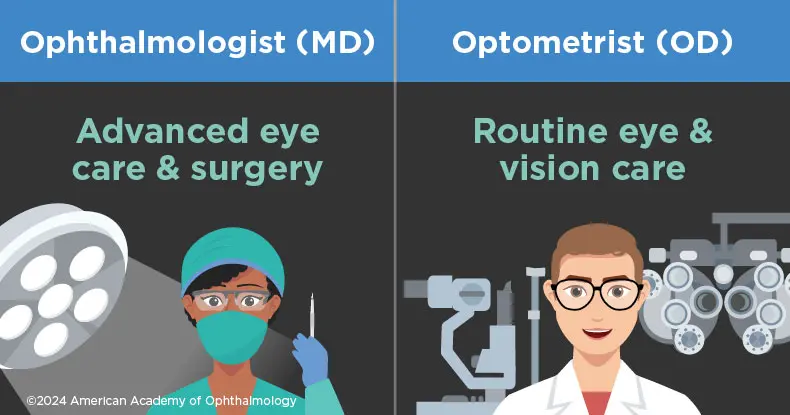
Choosing an Eye Doctor When it's time to get your eyes checked, make sure you see the right eye specialist for your needs. Each member of the eye care team plays an important role in providing eye care, and they often work together in the same office. It's easy to confuse the types of professionals called "eye doctor" and their responsibilities in maintaining your eye health. Here's how they compare. Ophthalmologist vs Optometrist: What's the Difference? The levels of training and expertise—and what they are allowed to do for you—are the major difference between types of eye care professionals commonly called “eye doctor.” An ophthalmologist is a medical doctor, and the only eye doctor with a medical degree (MD). An optometrist is not a medical doctor but is often referred…

Eye Health in the Home Office

The Home Office Is Here to Stay: Protect Your Eyes from Digital Strain As the lines between home and office space blurred during the pandemic, many people found themselves spending significantly more time in front of screens. This shift has led to a rise in complaints about eye discomfort—everything from headaches and dry eyes to blurry vision. Many have expressed concerns about the potential long-term effects on their eyesight. According to a survey, two-thirds of businesses plan to make remote work a permanent option. In recognition of Workplace Eye Wellness Month this March, The Eye MDs and the American Academy of Ophthalmology are offering practical advice on how to create a home office environment that minimizes the risk of digital eye strain. What is Digital Eye Strain? Digital eye strain…

UV Eye Protection

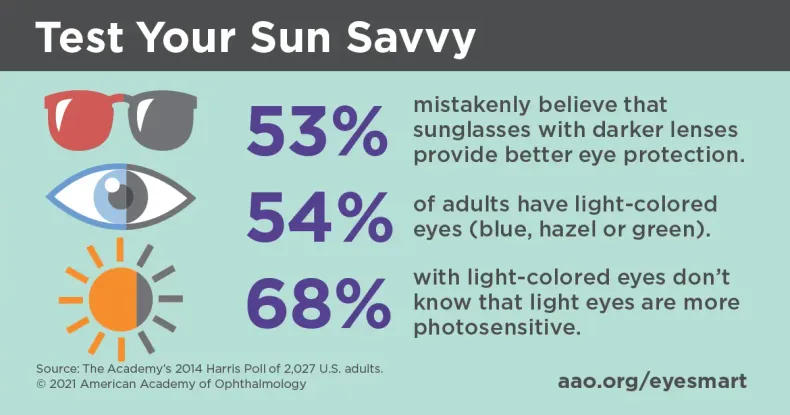
Protection is Key! Sunglasses are must-have eyewear. They help reduce brightness and protect your eyes and vision in any season. Sunglasses are more than fashion accessories. They protect your eyes from ultraviolet (UV) rays, the radiation energy produced by the sun. These UV rays—including UVA and especially UVB—damage the eye’s surface tissues, cornea and lens. That damage can lead to cataracts, macular degeneration and other vision-stealing eye conditions.  Sunglass Selection Tips To help keep your eyes healthy, keep these tips in mind when buying sunglasses. Don’t settle for less than 100% UV protection When buying sunglasses, make sure they have a tag or sticker that says they provide 100 percent UV protection from all UV light. Some labels say “UV absorption up to 400nm.” This is the same thing as 100 percent UV absorption. Darker sunglasses…

The Health Exam You Didn’t Know You Needed

If you’re like most Americans surveyed in a recent Harris Poll, you probably thought you would notice a change in your vision if you had an eye disease. The fact is some of the leading causes of blindness—such as glaucoma or diabetic retinopathy—can begin without any symptoms. That’s why The EyeMDs  and the American Academy of Ophthalmology urge all healthy adults to get an eye exam at age 40, even if their vision seems fine. Early signs of disease and changes in vision may start to happen at this age. “Even if you think you have 20/20 vision, set up a time to get your eyes checked. It may save your sight,” said Dianna Seldomridge, M.D., clinical spokesperson for the American Academy of Ophthalmology. Need more motivation to have your eyes examined? Here are four good reasons to…

Parents: Here are 5 Steps to Protect Your Young Athletes’ Eyes

Nearly 30,000 people suffer sports-related eye injuries every year. An astounding 90 percent of these ER visits could have been avoided if the athlete wore protective eyewear. Even the most low intensity sports activities pose some risk for eye injuries. From basketball to racquetball, from youth leagues to the pros, players need to protect their eyes. The EyeMDs and the American Academy of Ophthalmology are reminding the public that the best defense against potentially blinding sports-related injuries is wearing protective eyewear. “Getting athletes of any age to wear protective eyewear is a challenge,” said Dianna Seldomridge, M.D., clinical spokesperson for the American Academy of Ophthalmology. “Ophthalmologists hear all the reasons for not wearing eye protection: it’s cumbersome, it will impair peripheral vision, it will fog up. But sports goggles have vastly improved over the years. And…