Scare Up the Fun, Not the Scary Eye Infections this Halloween

If your Halloween plans include scary eyes, beware of costume contact lenses labeled “one size fits all” or “no need to see an eye doctor.” Costume lenses must be prescribed and fitted by an eye care professional, just like regular contact lenses. Otherwise, you may be haunted by an eye infection long after the fun of Halloween is over. The American Academy of Ophthalmology and The Eye MDs urge the public to only buy decorative contacts from retailers who require a prescription and sell FDA-approved products. “Costume contact lenses may seem like the perfect, easy way to complete your spooky look. But the consequences of using costume lenses are much scarier than the zombie eye you may have been going for,” said Dianna Seldomridge, MD, clinical spokesperson for the American Academy of Ophthalmology. Contact lenses…

Read This Before Buying New Shades

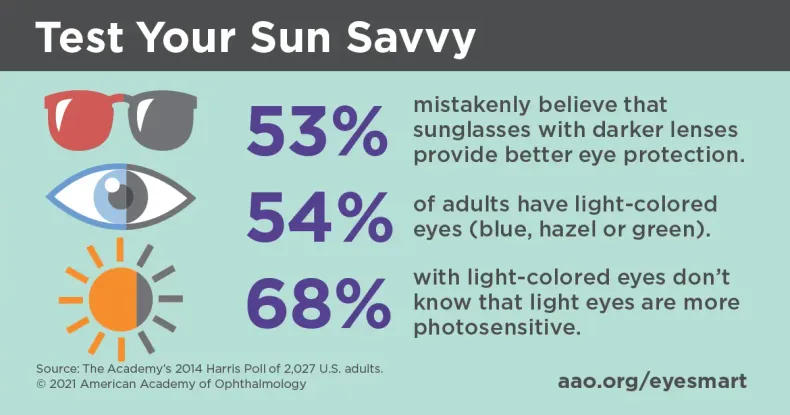
Not all sunglasses are created equal. While the choices are endless, there’s only one thing that tops all sunglass considerations and it has nothing to do with price or brand names. It’s all about the UV protection. The Eye MDs and the American Academy of Ophthalmology want you to know that selecting sunglasses that block 99 to 100 percent of UV-A and UV-B radiation is the best way to protect your eyes from the sun’s damaging rays. “Wearing sunglasses without 100 percent UV protection is actually a serious health risk,” said Dianna Seldomridge, MD, clinical spokesperson for the American Academy of Ophthalmology. “Regardless of the season, sun exposure can increase the risk of developing growths on the eye, cataracts  and some eye cancers. The good news is, protecting yourself from the sun is easy and…
What You Don’t Know About Fireworks Can Cost You Your Sight

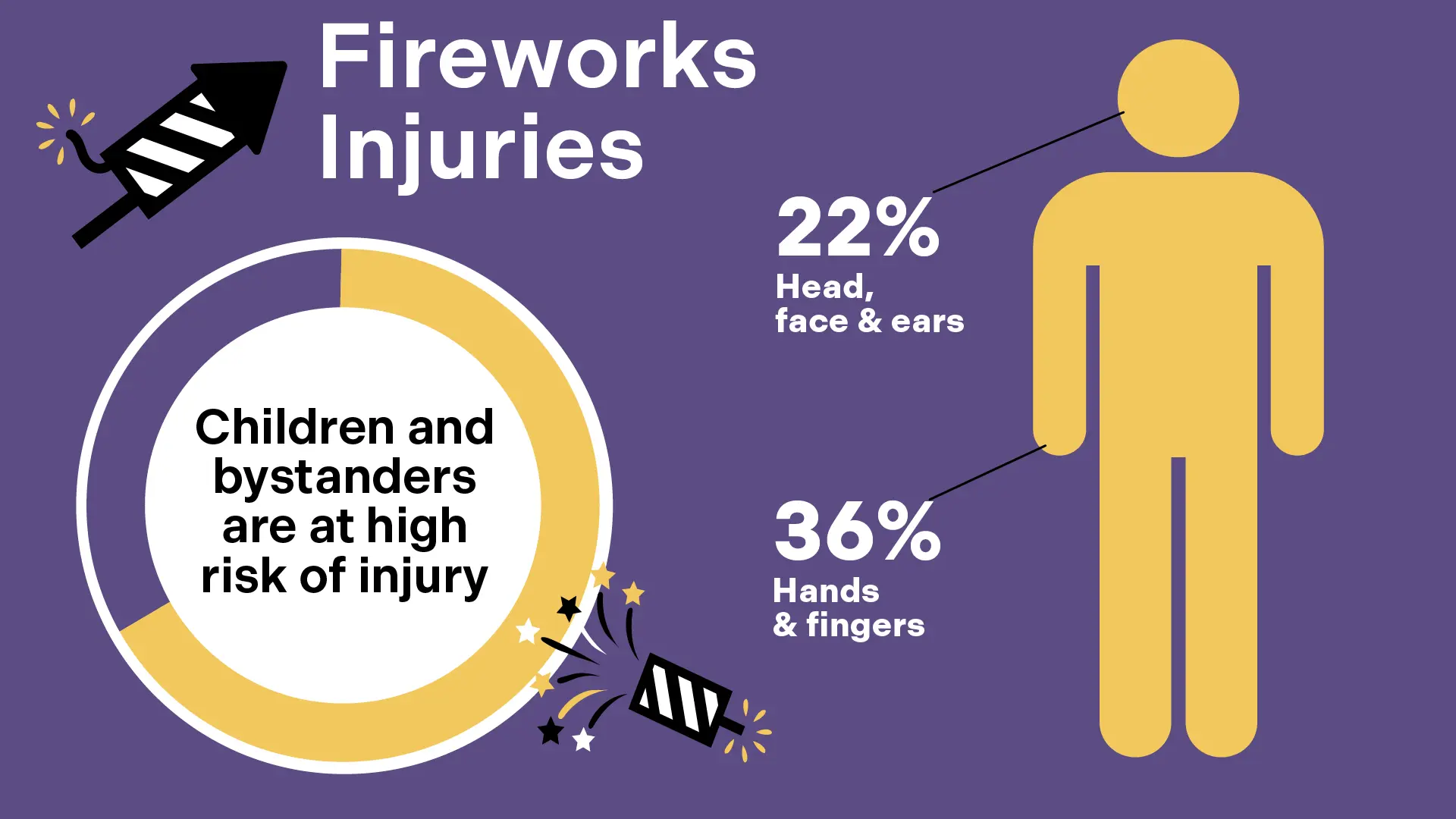
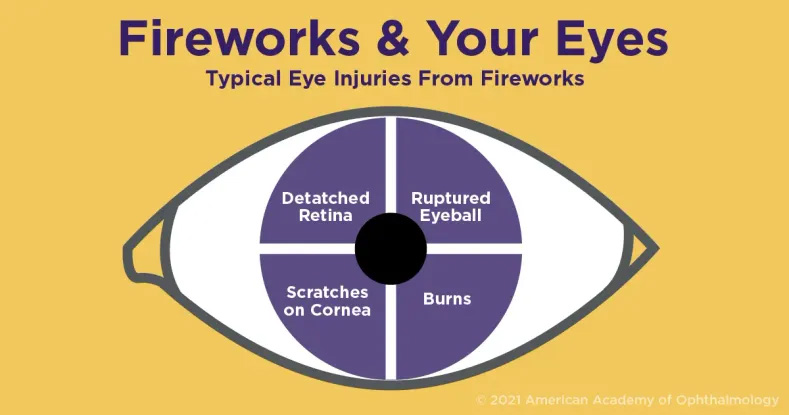
Every year, people suffer serious eye injuries from backyard fireworks displays. Most of the victims are children and bystanders located nowhere near the pyrotechnics. As Independence Day nears, The EYE MDs and the American Academy of Ophthalmology is working to dispel the myths that put people at risk of blindness. “Most people just don’t see the harm in sparklers, spinners, firecrackers, and bottle rockets, and they learn too late the necessity of wearing eye protection,” said Dianna Seldomridge, M.D., clinical spokesperson for the American Academy of Ophthalmology. “It’s best to leave fireworks to the professionals. But if you choose to celebrate with fireworks, wear safety goggles and take all the necessary precautions to keep your family safe.” Myth #1: Consumer fireworks are harmless. Fireworks can cause blinding eye injuries such as chemical and thermal…

Parents: Here are 5 Steps to Protect Your Young Athletes’ Eyes

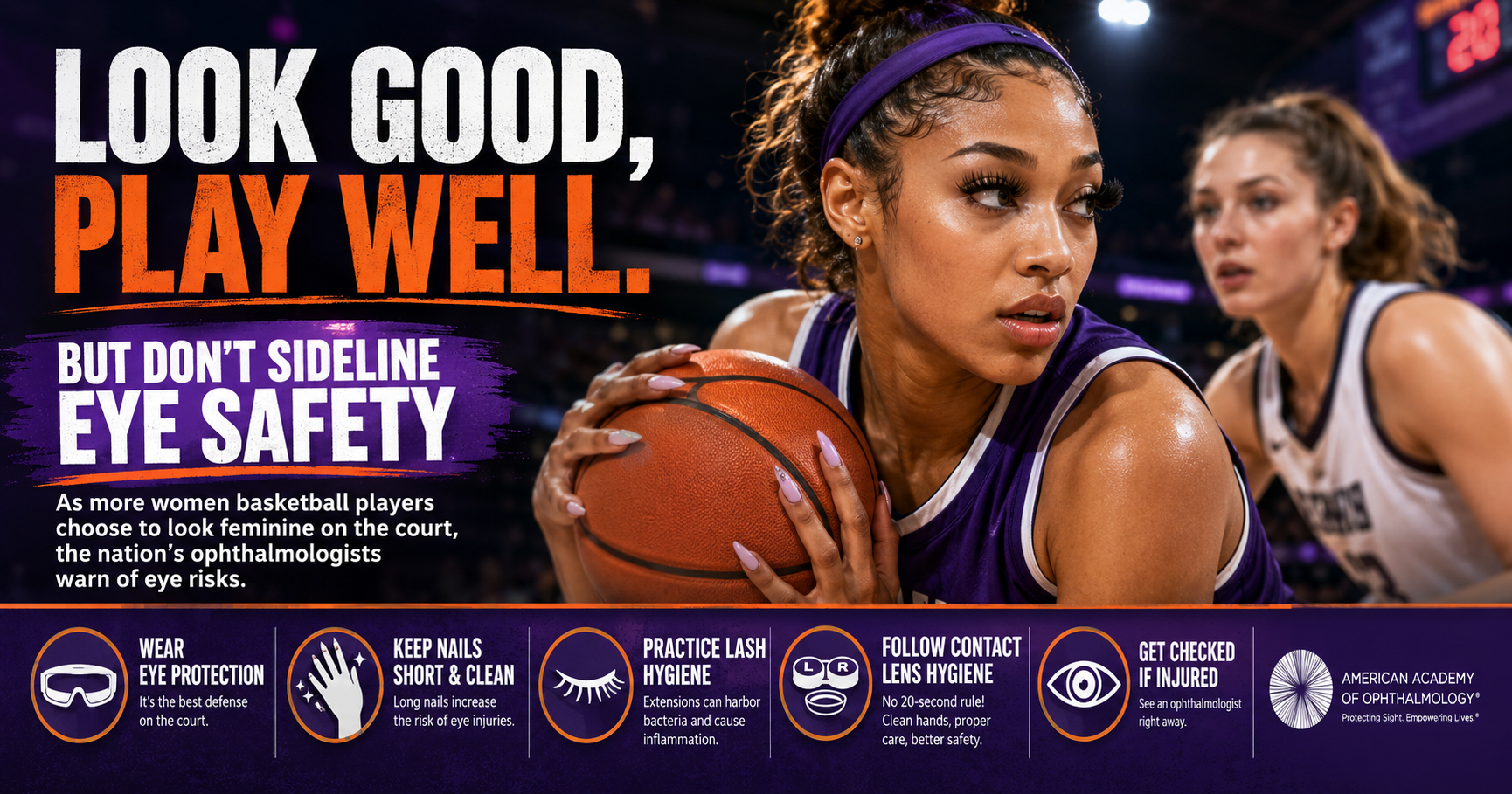
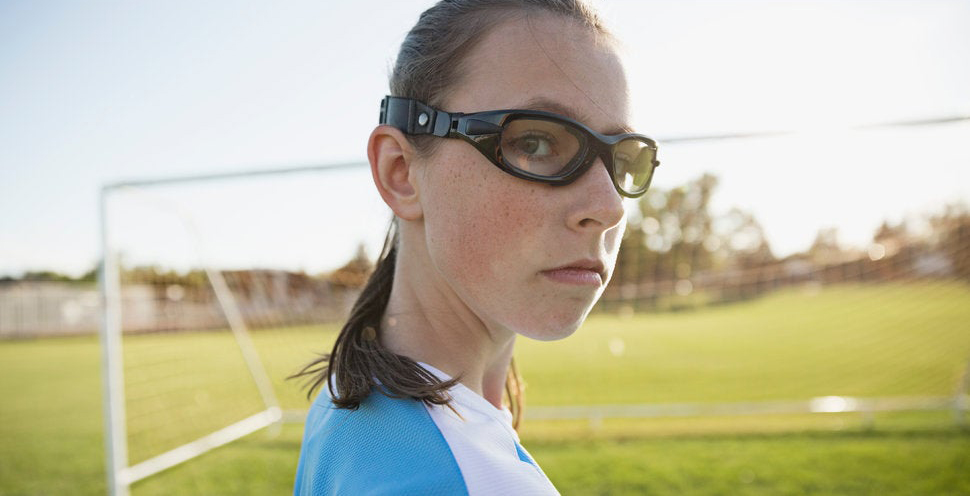
Nearly 30,000 people suffer sports-related eye injuries every year. Even the most low intensity sports activities pose some risk for eye injuries. From basketball to racquetball, from youth leagues to the pros, players need to protect their eyes. The EYE MDs and the American Academy of Ophthalmology are reminding the public that the best defense against potentially blinding sports-related injuries is wearing protective eyewear. “Getting athletes of any age to wear protective eyewear is a challenge,” said Dianna Seldomridge, M.D., clinical spokesperson for the American Academy of Ophthalmology. “Ophthalmologists hear all the reasons for not wearing eye protection: it’s cumbersome, it will impair peripheral vision, it will fog up. But sports goggles have vastly improved over the years. And if you start your kids early, wearing protective eyewear will become as natural as donning a batting…

What You Don’t Know About Fireworks Can Cost You Your Sight

Every year, people suffer serious eye injuries from backyard fireworks displays. Most of the victims are children and bystanders located nowhere near the pyrotechnics. As Independence Day nears, The EyeMDs and the American Academy of Ophthalmology is working to dispel the myths that put people at risk of blindness. “Most people just don’t see the harm in sparklers, spinners, firecrackers, and bottle rockets, and they learn too late the necessity of wearing eye protection,” said Dianna Seldomridge, M.D., clinical spokesperson for the American Academy of Ophthalmology. “It’s best to leave fireworks to the professionals. But if you choose to celebrate with fireworks, wear safety goggles and take all the necessary precautions to keep your family safe.” Myth #1: Consumer fireworks are harmless. Fireworks can cause blinding eye injuries such as chemical and thermal burns, corneal…